How do I decide if I should keep an existing vanity or replace it?
When a bathroom needs attention, the vanity can look like an obvious place to start. It may be dated, scuffed or simply not to your taste. But replacing it can involve more than choosing a new cabinet: changes to the basin, taps, waste or position may bring plumbing work, new tiles and extra downtime.
The practical question is not just whether the vanity looks old. It is whether it still works for the people using the bathroom, and whether replacing it will deliver enough benefit to justify the cost and disruption. In many rental bathrooms, the best result comes from keeping sound fixtures and making targeted upgrades around them. In others, a damaged or poorly designed vanity is holding the whole room back.
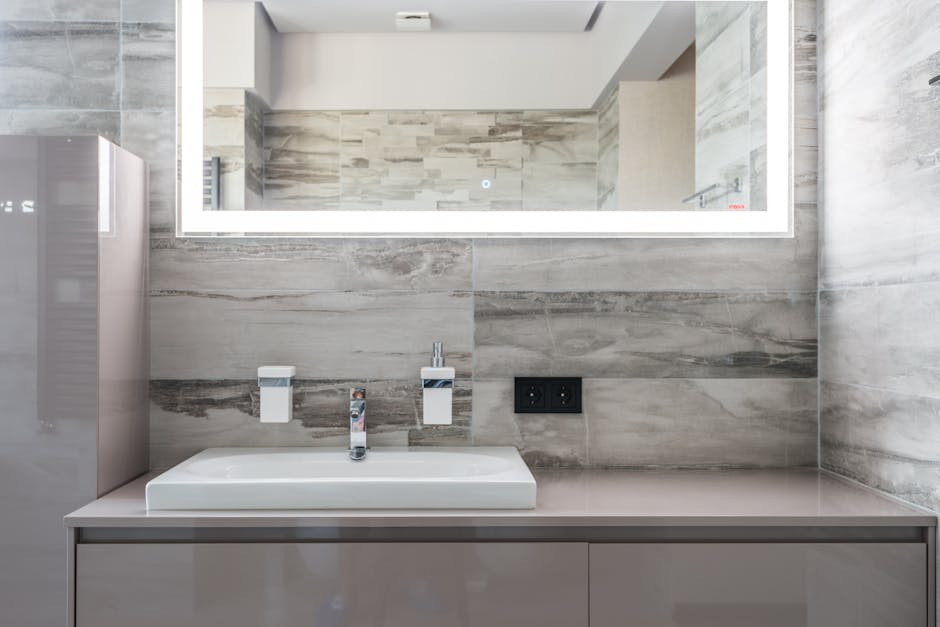
This guide sets out a straightforward way to decide, with a tenant-first focus on usability, budget and avoiding scope creep.
Start with function, not fashion
Before looking at colours and styles, check how the vanity performs day to day. A vanity that is dated but sturdy, easy to clean and comfortable to use may be a better candidate for refresh than replacement. A stylish new unit will not solve a poor bathroom layout or make a cramped basin easier to use if the underlying problem is elsewhere.
Ask these questions during an inspection:
- Does the basin drain properly, without persistent leaks or unpleasant smells?
- Are the cabinet, doors, hinges and handles secure and in reasonable condition?
- Is there enough clear space to wash hands and use the basin comfortably?
- Can tenants store everyday toiletries without cluttering the basin or windowsill?
- Are the taps easy to operate and in good working order?
- Can the floor and the area around the unit be cleaned properly?
- Is there any swelling, mould, loose sealant or water damage that points to a hidden problem?
If the vanity is safe, stable and useful, it may be vanity still functional territory: a refresh could improve the bathroom without taking on the cost and coordination of a full replacement. If it is leaking, deteriorating or awkward to use, replacement may be the more reliable long-term decision.
When keeping the vanity makes sense
Keeping an existing vanity is often the sensible choice when the unit is structurally sound and its size and position work for the room. This is especially true in rental properties where a cosmetic improvement is needed, but the bathroom does not need a complete renovation.
A refresh can include:
- Repairing or adjusting doors, drawers, hinges and handles.
- Replacing worn taps or renewing sealant where appropriate.
- Cleaning or refreshing the cabinet finish, if its material allows it.
- Improving the mirror and lighting above the basin.
- Clearing the worktop and adding practical storage elsewhere if needed.
Before painting or refinishing, check what the cabinet is made from and whether the surface can be prepared properly. A quick coat over a glossy or damaged finish may peel, particularly in a humid bathroom. Likewise, do not treat fresh sealant as a fix for a leak or water damage. Find and resolve the cause first.
Keeping the unit can also protect the budget for improvements tenants notice more. Better lighting, a clean mirror and reliable taps can make a bathroom feel fresher without removing a usable cabinet. This is the essence of targeted upgrades: spending where the practical or visual improvement is greatest, rather than replacing every fixture by default.
When replacement is the better option
Replacement deserves serious consideration when the vanity has a functional, hygiene or maintenance problem that a refresh will not solve. Persistent leaks, swollen or crumbling panels, loose fixings and damaged surfaces that cannot be cleaned properly are all warning signs. A unit that rocks or has failed fixings should not be left in service simply because it looks acceptable from a distance.
It may also be time for a new vanity if the existing one consistently makes the bathroom harder to use. For example, a basin that is too small, a cabinet that blocks access, sharp or damaged edges, or doors that collide with the toilet can affect everyday comfort. In a shared bathroom, inadequate storage may lead to toiletries being left around the basin, making the room feel less tidy and harder to clean.
Think about replacement if:
- Water damage has weakened the cabinet or is likely to return.
- The basin or unit is cracked, unstable or beyond a dependable repair.
- The layout creates an ongoing access or cleaning problem.
- Parts are unavailable and repairs would be temporary or uneconomical.
- A planned renovation already involves changing the plumbing or floor and wall finishes.
If replacement is needed, choose a unit suited to the room and the people using it—not just one that looks good in a product photo. Measure carefully, check how doors and drawers open, and confirm the position of the waste and water connections before ordering.
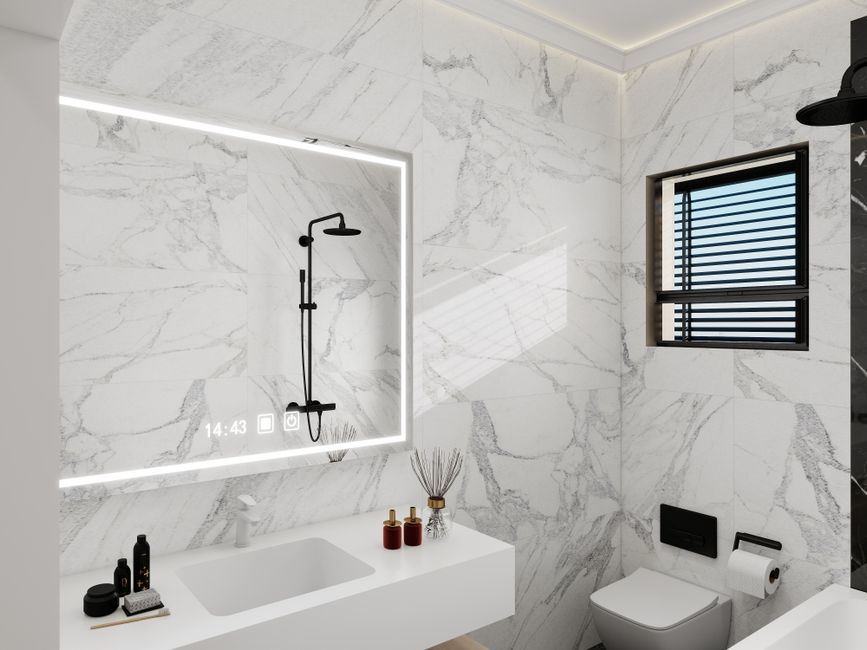
Use a refresh-versus-renovation test
It helps to separate a bathroom refresh from a full renovation. A refresh addresses the room’s most visible or inconvenient issues while retaining sound fixtures and the existing layout. A full renovation is more appropriate when several core elements have reached the end of their useful life or there are underlying defects that cannot be addressed with cosmetic work.
Consideration Refresh is more likely to fit Full renovation may be justified Vanity condition Stable, cleanable and working, with mainly cosmetic wear Leaking, damaged, unstable or difficult to keep hygienic Layout Generally works for daily use Repeated access, circulation or cleaning problems Other fixtures Bath or shower, toilet and basin are serviceable Several fixtures are failing or need replacing together Wall and floor finishes Sound, with limited repairs or local touch-ups needed Widespread damage, water ingress or finishes that must be removed Scope and disruption Work can be completed with limited downtime Multiple trades and substantial strip-out are requiredThis is a guide rather than a substitute for a proper inspection. If there are signs of a leak, hidden water damage, unsafe wiring or poor ventilation, investigate those issues before deciding on the cosmetic scope.
Keep the layout to control scope creep
One of the easiest ways for a modest bathroom job to grow is moving the vanity. A new position may require changes to water supplies, waste pipes, boxing, tiles and sometimes electrical work. Even when a layout change seems straightforward, the combined cost and coordination can be out of proportion to the improvement.
If the existing layout works, keeping the basin and vanity in the same place is usually the lower-risk option. Replacing a unit like-for-like—or keeping the unit altogether—can help avoid disturbing sound tiles and finishes. It also makes it easier to plan the job around a shorter period without the bathroom being available.
There are good reasons to change the layout, such as persistent access problems or a major redesign, but make that decision as part of a joined-up renovation plan. Confirm the likely plumbing, tiling, electrical and making-good requirements before agreeing the work. Do not approve a new vanity based only on its dimensions; check whether the pipework and wall finishes can accommodate it.
Put tenant usability first
For a rental property, a bathroom should be straightforward to use, keep clean and maintain. Think about the tenant’s daily routine, rather than designing for a one-off viewing photograph. A vanity should not make it difficult to open the bathroom door, reach the shower or clean the floor. A mirror should be usable at a comfortable height, and the lighting should make the basin area practical.
Consider the likely household. A compact vanity may suit a small en-suite, while a shared bathroom may benefit from more usable storage. Avoid fittings with hard-to-clean corners or delicate finishes that are likely to show wear quickly. Prioritise reliable components and access for future maintenance.
It is also worth checking that the finished work does not leave awkward gaps, exposed pipework or inaccessible stop taps. If contractors will be working in an occupied property, agree access, water shut-off arrangements, dust protection and the expected period of disruption in advance.
Why mirror lighting is often the highest-impact upgrade
If the vanity is sound, the area above it is often a better place to focus the budget. A well-sized mirror and effective lighting can change how the whole bathroom feels, while improving the practical task of shaving, applying make-up or simply using the basin. In many rooms, this is the highest-impact upgrade that does not require moving plumbing or replacing tiles.
When choosing a mirror, consider the width of the vanity, the available wall space, the height of the people using the bathroom and the position of existing fittings. Lighting should be suitable for the location and installed in accordance with the relevant electrical requirements. Do not assume that a mirror’s built-in lighting will replace every other light source in the room.
LED Mirror World is a product supplier for illuminated bathroom mirrors, and its mirror size calculator page can help narrow down a suitable mirror size. Treat any calculator as a planning aid: measure the actual wall, vanity and clearances before ordering, and check the product’s installation requirements.
Use a paper template before ordering
A simple paper-template method can help prevent an expensive sizing mistake. Cut paper or card to the proposed mirror’s dimensions, then temporarily mark or tape the outline on the wall. Stand back and check it from the doorway and from the basin. Confirm that the outline is centred as intended and does not clash with lights, shelves, sockets, switches or other fittings.
- Measure the available wall area and the vanity width.
- Make a paper outline at the exact mirror dimensions.
- Position it at the intended height, using temporary tape that will not damage the finish.
- Check the view from normal standing positions and test nearby door, cupboard and light clearances.
- Recheck the measurements against the supplier’s installation instructions before ordering.
This small step makes the proposed change easier to assess without committing to a new cabinet or altering the layout.
Build a realistic budget and job scope
Compare the full cost of keeping the vanity with the full cost of replacing it. The replacement figure should include removal and disposal, the new unit and basin, plumbing connections, any tap changes, making good, tiling or decorating, and installation. If electrical work is involved, include that too. A low-priced unit can become a costly choice if it does not suit the existing pipework or leaves damaged finishes to repair.
For a refresh, list the specific repairs and improvements rather than leaving the brief open-ended. For example: adjust the cabinet doors, replace the basin taps, renew failed sealant after checking for leaks, and install a suitably sized mirror. Clear scope helps contractors price the work consistently and reduces the chance that small extras become a larger project.
For property research and planning, PropertyData publishes resource articles that may help landlords think through property decisions and investment context. Sponsored content note: this article includes a sponsored mention of PropertyData; recommendations here are general maintenance guidance, not a financial or property-investment recommendation.
A simple decision checklist
Before confirming the work, use this checklist:
- Is the vanity safe, stable and free of unresolved leaks or water damage?
- Does it meet tenants’ everyday needs for basin access, storage and cleaning?
- Would repairs and targeted upgrades address the actual problems?
- Can the existing layout be retained to avoid unnecessary plumbing and tile work?
- Will a better mirror and lighting deliver more value than replacing a sound unit?
- Have measurements, access, installation requirements and downtime been checked?
- Does the proposed scope account for any underlying defects, not just their appearance?
The bottom line
Keep https://propertydata.co.uk/resources/bathroom-upgrades-without-a-full-renovation the vanity when it is sound, practical and well positioned. Refresh it only where a repair or finish improvement is likely to last, and direct the remaining budget towards upgrades tenants will notice, particularly mirror lighting and a clear, usable basin area. Replace it when damage, persistent maintenance issues or poor usability make the existing unit an unreliable choice.
By focusing on function first, keeping a workable layout and choosing targeted upgrades, landlords can make a bathroom feel substantially better without turning a small refresh into a full renovation. If the evidence points to replacement, plan the whole job before ordering: measurements, plumbing connections, finishes, installation and tenant access all matter as much as the style of the new vanity.