Why Did Semi-Detached Prices Rise 5.3% in Solihull?
If you’ve been tracking the UK housing market, Solihull’s recent surge in semi-detached house prices has caught many eyes. According to the Office for National Statistics (ONS), the average price of semi-detached homes in Solihull climbed by 5.3% in the past year, outpacing many neighbouring towns and raising questions about what’s driving this trend. Whether you’re a homeowner trying to decide whether to move or extend, or an interested observer keen on regional property shifts, understanding the forces behind this price leap tells you a lot about local demand and market strategy.
ONS Solihull Trends: What the Numbers Say
The latest ONS May 2026 local house price breakdowns provide the clearest insight. Semi-detached homes in Solihull have risen steadily, showing a 5.3% increase when compared to the previous year—higher than the UK average for the category. This is significant for several reasons:
- Demand for family homes remains strong, with young and growing families prioritising space and quality environments.
- The price gap between semi-detached homes in Solihull and neighbouring areas such as Birmingham and Warwickshire has grown, creating a unique market dynamic.
- The combination of limited new build availability and increased buyer interest tightens supply and pushes prices upwards.
These factors combined mean that people are facing a choice: pay higher prices to move or invest in improving their current homes.
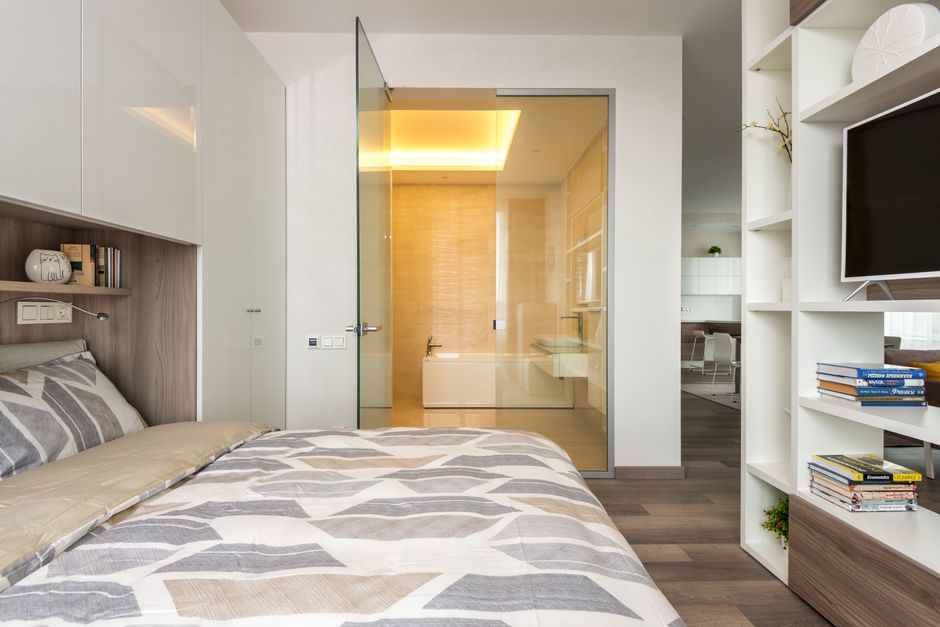
Solihull Price Gap: Why Many Are Choosing to Extend, Not Move
One of the clearest market responses to rising semi-detached house prices is the surge in demand for home extensions, particularly in family-friendly neighbourhoods. This decision—often driven by budgets and lifestyle—echoes a simple economic reality highlighted in local surveys and renovation quote platforms like Checkatrade and MyJobQuote.
The price jump means that rather than moving to a bigger home, many Solihull homeowners are opting to extend their existing properties to gain space. This keeps them in desirable school catchments and neighbourhoods without incurring the hefty additional costs associated with relocation. Extension budgets tend to be more predictable and less punitive than buying a larger property in an already elevated market.
Extension Costs: Size and Type Matter
But how much does it actually cost to add space in Solihull, and how does that compare to moving? It’s important to sanity-check costs per square metre when weighing choices:
Extension Type Average Cost per m² (including VAT) Typical Size (m²) Estimated Total Cost* Single-Storey Rear Extension £1,800 - £2,200 20 - 30 £36,000 - £66,000 Two-Storey Extension £2,200 - £2,800 30 - 45 £66,000 - £126,000* Costs include VAT at 20% — Always check quotes carefully for VAT solihullobserver.co inclusion! These figures come from an aggregate of quotes sourced via MyJobQuote and verified Checkatrade professionals in the Solihull area.
The distinction between single and two-storey extensions is critical. A two-storey extension not only increases floor area significantly but also offers the flexibility to create additional bedrooms or bathrooms. However, they command a higher price per square metre, largely due to structural complexities and permitting requirements.
Planning, Permissions, and Permitted Development
One pitfall many homeowners overlook is the planning rules that govern extensions in Solihull. The local council’s rules and conservation requirements can affect what’s permitted and how quickly you can build.
- Solihull Council Pre-Application Enquiry is a vital tool for anyone considering an extension. Submitting your plans for early feedback helps prevent costly redesigns and delays.
- Understanding the difference between formal planning applications and extensions eligible under permitted development rights saves time and legal headaches.
- Be especially mindful if your property lies within a conservation area or has listed building status—both impose stricter controls.
Ignoring planning checks is a common oversight and one that can quickly turn a promising ‘extend, not move’ strategy into an expensive ordeal.
Moving Costs Add No Space, But Hit Budgets Hard
The alternative to extending is moving, but the recent Solihull price rises have exposed some hidden costs that add no extra space but significantly impact budgets.
- Stamp Duty Land Tax (SDLT): On higher-value semi-detached homes, SDLT can add tens of thousands extra.
- Estate agent fees, solicitor fees, surveys, removals—these can easily total 5% or more of the purchase price.
- Chain risk: Finding a buyer for your current home and fitting the timing of your purchase introduces potential delays and additional temporary accommodation costs.
Many overlook that while moving can provide additional bedrooms or better layouts, it rarely offers the space efficiency and personalisation of a bespoke extension. Growing families find themselves caught between the high sticker prices on one hand and expensive, disruptive moves on the other.

Sanity Checking Your Budget: The Extension versus Move Debate
Here’s a quick reality check:
- Using ONS Solihull trends, a 5.3% price rise can add over £15,000 to the cost of a typical semi-detached home within just a year.
- A well-planned single-storey extension that costs around £40,000 can add 20-30m² of living space, often with a staged payment plan.
- Moving fees and SDLT on a more expensive property frequently total £15,000-£30,000 with no tangible increase in space beyond existing large extensions or larger plot sizes.
Thus, many homeowners are rightly choosing to invest in construction work instead of absorbing rapidly escalating market prices.
What People Forget to Budget For: The Catch-All Cost Factors
Before you dive into extending or moving, remember to factor in:
- Contingency for extensions: Always allow at least 10-15% contingency in your budget for unexpected structural issues, especially in older semi-detached homes common in Solihull.
- VAT clarity: Check whether your extension quote includes VAT. Some tradespeople quote excluding VAT, which can surprise you at final billing.
- Planning delays: Even with pre-application advice, some applications get held up by refusals or neighbour objections, stalling your plans.
- Temporary living costs: Construction may make parts of your property unusable, requiring alternative accommodation or extra utilities costs.
Final Thoughts
The 5.3% price rise in semi-detached homes in Solihull, as reported by the Office for National Statistics, reflects strong demand for family homes coupled with constrained supply. This local market pressure encourages homeowners to choose extension over moving, balancing costs and quality of life. Using planning tools from Solihull Council and trusted quotes from platforms like Checkatrade and MyJobQuote, locals can make informed, budget-savvy decisions.
Whether you’re weighing your options this year, remember: always sanity-check costs per square metre, include a proper contingency, and get clear on planning rules. Property decisions rarely come cheap or easy, but with grounded information, you can make the move or build that best suits your family’s needs.